
 CN
CN
BPO ไม่ใช่แค่การจ้างพนักงานภายนอก แต่คือการให้ผู้เชี่ยวชาญเข้ามาบริหารกระบวนการ ช่วยลดภาระ ควบคุมต้นทุน และเพิ่มประสิทธิภาพให้องค์กร
Author Archives: aditep.p

21
Jul
Jul
การจะเลือกทำเอง (In-house) หรือจ้างข้างนอก (Outsource) ไม่ควรดูแค่ว่าต้นทุนแรงงานถูกกว่ากันเท่าไหร่ งานไหนที่เป็นจุดแข็งของบริษัท ต้องใช้ความรู้เฉพาะที่ไม่อยากให้หลุดออกไป หรือมีความเสี่ยงที่ถ้าคุมเองไม่ได้จะเสียหายเยอะ งานแบบนี้ควรเก็บไว้ทำเองดีกว่า ส่วนงานที่ทำเป็นมาตรฐานได้

17
Jul
Jul
หลายองค์กรทุ่มงบประมาณและคนเก่งที่สุดให้กับงาน “หน้าบ้าน” อย่างการขายและการตลาด แต่กลับพบว่าธุรกิจยังโตช้ากว่าที่ควร สาเหตุหนึ่งที่มักถูกมองข้ามคืองาน “หลังบ้าน” หรือ Back Office ที่กินเวลาและทรัพยากรมหาศาลโดยไม่สร้างรายได้โดยตรง ไม่ว่าจะเป็นการคีย์ข้อมูล จัดการเอกสาร ทำเงินเดือน หรืองานธุรการที่ต้องทำซ้ำทุกวัน

01
Jul
Jul
ทุกวันนี้องค์กรของคุณสร้างข้อมูลมหาศาล Big Data ทุกวัน ทั้งจากใบสั่งซื้อ บันทึกลูกค้า เอกสารทางการเงิน และกระบวนการทำงานภายใน แต่มีกี่องค์กรที่ใช้ประโยชน์จากข้อมูลเหล่านั้นได้จริง?

22
Jun
Jun
OCR (Optical Character Recognition) คือเทคโนโลยีที่ใช้ระบบประมวลผลภาพเพื่อ “อ่าน” ตัวอักษรจากรูปภาพหรือเอกสารสแกน แล้วแปลงออกมาเป็นข้อความดิจิทัลที่สามารถแก้ไข ค้นหา หรือนำไปประมวลผลต่อได้
17
Jun
Jun
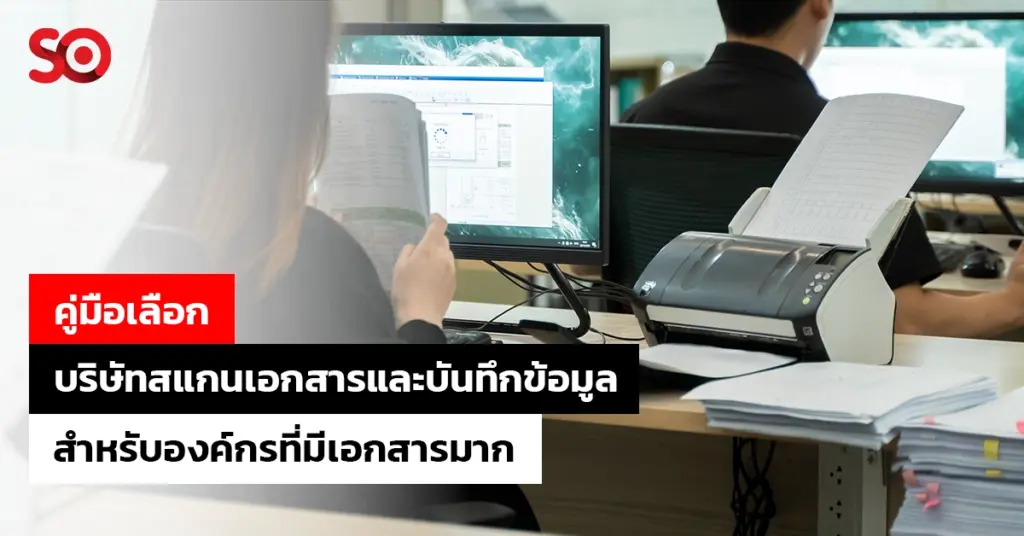
บริษัทที่เหมาะสมควรมีประสบการณ์กับงานองค์กร มีกระบวนการตรวจนับเอกสาร มีระบบควบคุมคุณภาพ มีมาตรการรักษาความปลอดภัยข้อมูล และสามารถส่งมอบไฟล์หรือข้อมูลในรูปแบบที่นำไปใช้งานต่อได้จริง

08
Jun
Jun
Data Processing BPO คือบริการที่ช่วยให้องค์กรส่งต่องานด้านการรับ บันทึก ตรวจสอบ แปลง และจัดการข้อมูล ให้ผู้เชี่ยวชาญภายนอกดูแลแบบครบวงจร บริการครอบคลุมตั้งแต่ Data Entry การสแกนและแปลงเอกสารเป็นไฟล์ดิจิทัล การใช้ AI OCR เพื่อดึงข้อมูลจากเอกสารอัตโนมัติ

26
Mar
Mar
ในยุคที่องค์กรต้องทำงานเร็วขึ้น แต่ก็ต้องรอบคอบมากขึ้นในเวลาเดียวกัน “เอกสาร” กลายเป็นทั้งเครื่องมือสำคัญและภาระที่ซ่อนอยู่ในทุกแผนก ตั้งแต่เอกสารจัดซื้อ สัญญา เอกสารบัญชี เอกสารบุคคล ไปจนถึงเอกสารภายในองค์กรที่เกี่ยวข้องกับการอนุมัติในแต่ละวัน หลายองค์กรยังคงเผชิญกับปัญหาเดิมซ้ำ ๆ

02
Mar
Mar
อย่างไรก็ตาม แม้ BPO จะเป็นเครื่องมือที่ทรงพลัง แต่ก็ยังมี “ความเข้าใจผิดเกี่ยวกับ BPO” อยู่ไม่น้อย โดยเฉพาะความเชื่อที่ว่า BPO คือการจ้าง call center เท่านั้น ทำให้องค์กรจำนวนมากลังเล ไม่กล้าตัดสินใจ หรือมองไม่เห็นศักยภาพที่แท้จริงของบริการนี้

23
Feb
Feb
การบริหารเอกสารที่ไม่เป็นระบบไม่ใช่แค่ปัญหาเรื่องความสะดวก แต่เป็นความเสี่ยงเชิงปฏิบัติการที่องค์กรหลายแห่งมักประเมินต่ำกว่าความเป็นจริง ไม่ว่าจะเป็นความล่าช้าในกระบวนการอนุมัติ ความผิดพลาดจากเอกสารผิดเวอร์ชัน หรือความเสี่ยงด้านการปฏิบัติตามกฎระเบียบ